Just You and the Music: The Rise of Dancing Alone as a Path to Healing
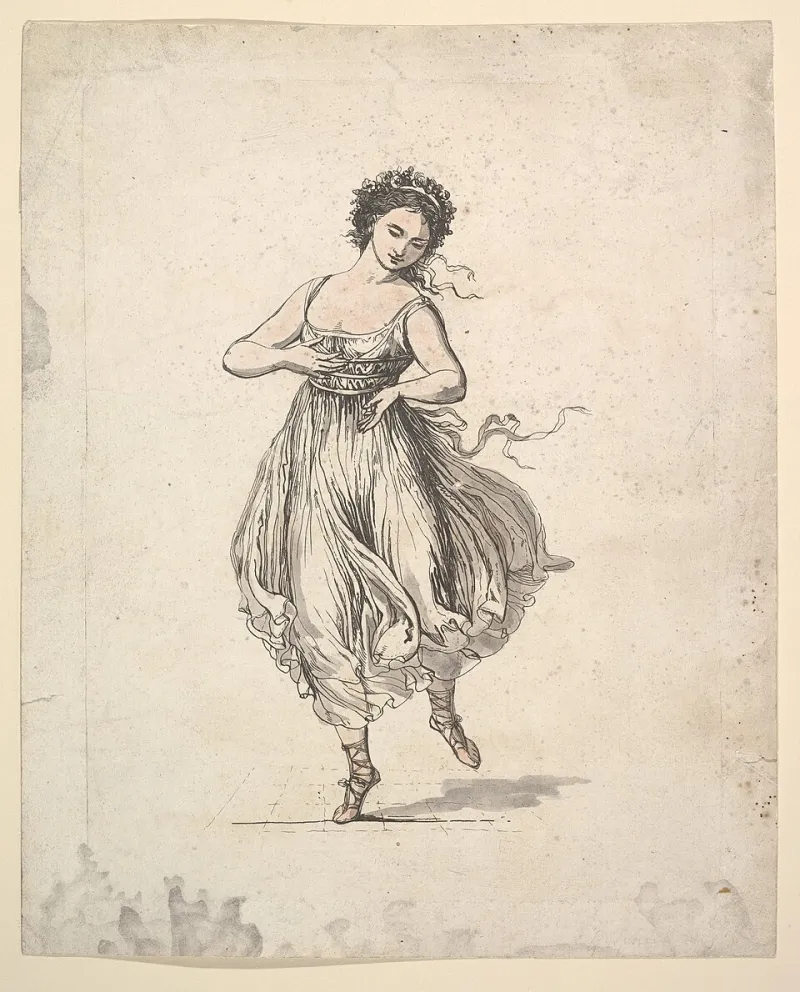
Photo: Johann Gottfried Schadow, CC0, via Wikimedia Commons
There's a moment — you probably know it — when a song comes on and your body just wants to move. Not for a class. Not for a crowd. Not even for a partner. Just for you, in the kitchen, in the living room, maybe at 11pm when nobody's watching.
That impulse? It turns out it's not just a mood. It might actually be medicine.
Across the US, a quiet but unmistakable movement is building. People are dancing alone — and doing it intentionally. From freestyle sessions in studio apartments to solo performance art popping up in indie theaters and on TikTok feeds, solo dance is carving out serious space as a form of self-expression and personal therapy. And the people who practice it say it's changing their lives in ways that group classes and structured choreography simply never could.
No Audience, No Rules
Ask anyone who's tried it and they'll tell you: dancing without anyone watching feels completely different from dancing for someone. The absence of an audience removes a layer of self-consciousness that most of us don't even realize we're carrying around.
"When there's no one to perform for, the body starts making honest decisions," says Marcus Webb, a movement therapist based in Atlanta who incorporates solo freestyle into his practice. "Clients will say things like, 'I didn't know I was angry until I started moving.' The body holds so much. Solo dance gives it permission to speak."
This isn't just poetic language. Research in somatic therapy — which focuses on the mind-body connection — has long supported the idea that movement can surface and process emotions that talk therapy sometimes can't reach. And when you strip away the social pressure of a dance class or the technical demands of choreography, you're left with something raw and surprisingly effective.
For Destiny Okafor, a 29-year-old graphic designer in Chicago, solo dance became a lifeline during a particularly rough stretch of anxiety a few years back. "I'd taken ballet as a kid, then stopped. When things got hard, I just started dancing in my apartment again — no routine, no music genre I was 'supposed' to use. I'd cry sometimes. I'd laugh sometimes. It felt like therapy but cheaper and more honest."
The TikTok Effect: Going Public With Something Private
Here's where it gets interesting. A practice that's fundamentally about being unseen has found a surprisingly comfortable home on one of the most-watched platforms on the planet.
A scroll through TikTok's #SoloDance and #DanceTherapy tags reveals thousands of videos — some polished, most beautifully unpolished — of people moving through grief, joy, anxiety, and everything in between. These aren't performances in the traditional sense. They're more like visual journals. And audiences are connecting with them deeply.
"There's something really vulnerable about watching someone dance alone," says Talia Reyes, a Los Angeles-based contemporary dancer who began posting solo movement videos during the pandemic and has since built a following of over 200,000. "People message me saying, 'I felt that.' They're not watching technique. They're watching a human being feel something."
Reyes is careful to distinguish between performing solo and dancing alone. "Even when I film it, I try to go back to that private place first. The camera is just a witness, not an audience. That distinction matters."
Breaking Down Performance Anxiety
One of the most unexpected benefits people report from solo dance practice is what happens outside the room afterward. Performance anxiety — the thing that makes your palms sweat before a recital, an audition, or even a social dance — seems to loosen its grip.
Dr. Priya Nambiar, a clinical psychologist in Houston who works with performing artists, says the mechanism makes sense. "When you practice being in your body without judgment — repeatedly, consistently — you start to rewire your relationship with being seen. Solo dance builds what I'd call embodied confidence. It's not about being brave. It's about being familiar with yourself."
For dancers who've experienced performance trauma — a bad audition, a harsh teacher, a public stumble — solo movement can offer a kind of reset. You reclaim the act of dancing as something that belongs to you, not to an audience's approval.
How to Actually Start
If you've never tried intentional solo dance, the entry point is embarrassingly simple: pick a song, find a space, and move. That's it. No technique required. No tutorial to follow.
That said, a few things tend to help. Movement therapists often suggest starting with music that matches your current emotional state rather than music you want to feel. Let the body respond to where it actually is, not where you wish it were. Give yourself a time container — even just five minutes — so it doesn't feel overwhelming. And resist the urge to choreograph. The whole point is to let go of that.
Some practitioners also recommend what's sometimes called a "body scan" before you begin — a few moments of checking in with physical sensations, tension spots, and energy levels. It sounds simple, but it helps bridge the gap between thinking and moving.
More Than a Trend
It would be easy to file solo dance under "pandemic-era wellness habit" and move on. But the staying power here suggests something deeper is happening. Americans are increasingly drawn to practices that prioritize internal experience over external performance — and dance, stripped down to its most elemental form, delivers exactly that.
Marcus Webb puts it plainly: "We've spent so much of our dance culture focused on what it looks like. Solo practice is finally asking what it feels like. That's a shift worth paying attention to."
So close the curtains if you want. Or don't. Either way — just move.