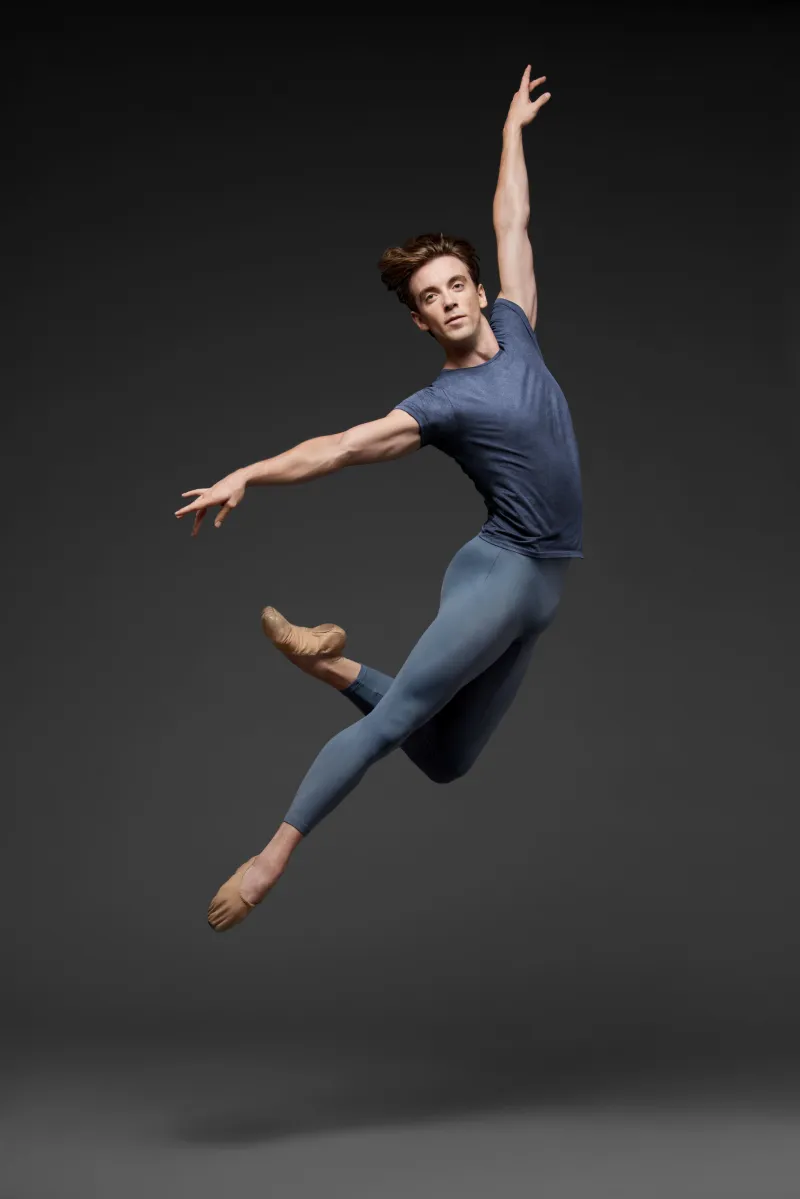
Ready, Waiting, Rusty: The Hidden Cost of Finally Getting Your Moment in the Spotlight
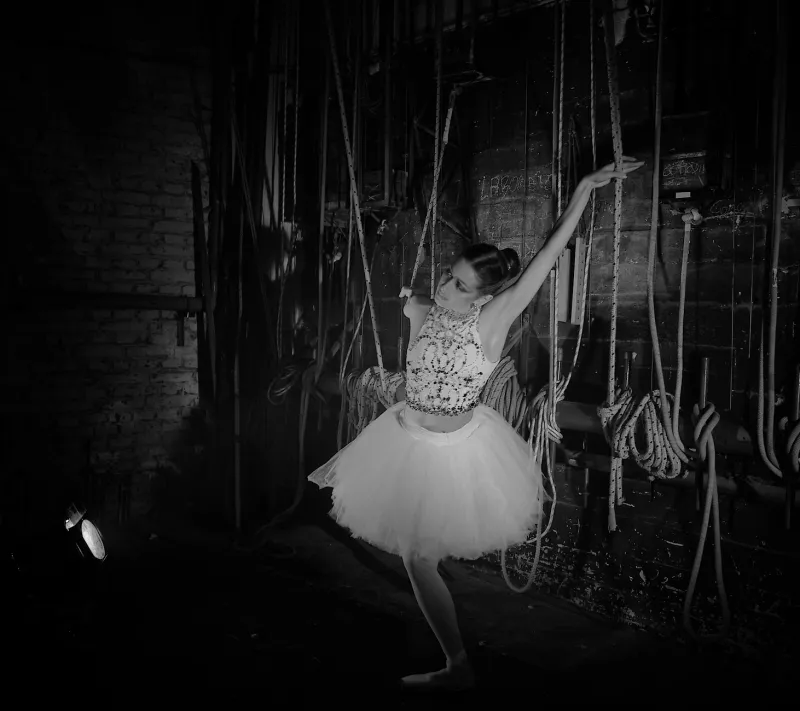
The call usually comes at the worst possible time. It's two hours before curtain, or maybe it's the morning of a matinee, and your phone is ringing with the news you've simultaneously been dreaming about and quietly dreading for months. The principal dancer is out. You're going on.
For most people watching from the audience, this is a fairy tale moment — the plucky understudy finally getting their shot. For the dancer receiving that call, the reality is a whole lot messier.
The Paradox of Preparation Without Performance
Understudies exist in a strange professional purgatory. They train rigorously, absorb choreography down to the smallest gesture, attend rehearsals, and maintain physical readiness — all for a performance that may never come. It's one of the most psychologically demanding positions in all of performing arts, and it doesn't get nearly enough honest conversation.
The physical side of things is challenging enough. Keeping your body performance-ready when you're not actually performing requires a specific kind of discipline. Stage performance demands a different kind of stamina than rehearsal — the adrenaline, the audience energy, the full-out commitment night after night. When you haven't been doing that, your body remembers the steps but forgets the feeling.
Marcus, a contemporary dancer who spent eighteen months as an understudy in a national touring company, describes it plainly: "I knew the role cold. I could run it in my sleep. But the first time I actually had to go on, I felt like my legs belonged to someone else for the first half of the first act. It wasn't that I forgot anything — it was like my nervous system hadn't been told the news yet."
That disconnect between intellectual knowledge and embodied readiness is something dance medicine professionals are paying more attention to. The body stores performance differently than rehearsal. When the stakes change, so does everything else.
The Mental Game Nobody Talks About
Beyond the physical, there's a psychological complexity to understudying that can quietly chip away at a dancer's confidence over time. The role becomes both intimately yours and never quite yours simultaneously. You learn it, you own it in the practice room, and then you watch someone else perform it — night after night, show after show.
That experience can breed a peculiar kind of ambivalence. You want your moment. Of course you do. But after long enough, you might also start to wonder whether you even want it anymore, or whether the version of yourself who first learned this role is still the person standing in the wings.
Dance psychologist and movement therapist Renee Calloway, who works with performers in New York and Chicago, sees this pattern regularly. "There's often a grief process that understudies go through that nobody acknowledges," she says. "They grieve the performances they didn't get, and then when the moment finally arrives, they're sometimes not emotionally where they thought they'd be. The excitement is real, but so is the anxiety, the resentment, the complicated feelings about why the principal is out. It's a lot to process in two hours."
That emotional weight can manifest in unexpected ways — a mental block on a passage that was previously automatic, a hesitation on a lift that never existed before, or simply a kind of flatness where fire is supposed to live.
Strategies That Actually Help
So how do working understudies keep themselves genuinely ready — not just technically rehearsed, but performance-ready in the fullest sense?
The dancers and coaches who navigate this well tend to share a few common approaches.
Performing whenever possible, even when it's not the show. Many experienced understudies seek out additional performance opportunities — student showcases, community events, scratch nights — specifically to keep their nervous systems accustomed to the real thing. The goal isn't to perform the understudy role; it's to perform, period. Keeping that switch active matters.
Running the role with full commitment, not just muscle memory. There's a difference between marking through choreography and genuinely inhabiting it. Smart understudies build regular full-out runs into their personal practice, treating at least some of those sessions like actual performances — costume, emotional investment, the works.
Visualization work that goes beyond the steps. Sports psychology has long understood the power of detailed mental rehearsal, and more dance practitioners are bringing these tools into their work. Imagining not just the movement but the sensory experience — the heat of the lights, the sound of the orchestra, the energy of an audience — helps bridge the gap between rehearsal and performance reality.
Honest conversations with directors and stage managers. The best production environments create space for understudies to flag when they feel underprepared or when too much time has passed without a proper run. That kind of transparency isn't weakness — it's professionalism. The companies that treat understudies as full artistic partners tend to produce better emergency performances than those that treat them as insurance policies.
When It Goes Right, and When It Doesn't
Sometimes the call comes and everything clicks. The adrenaline sharpens rather than scatters, the body remembers what the mind knows, and the understudy delivers something that surprises everyone — including themselves.
Jasmine, a ballet dancer who stepped in for a principal role mid-run after the lead dancer sustained an ankle injury, describes the experience as "the most terrifying and most alive I've ever felt on stage. I cried in the wings afterward and I still don't totally know why. Relief, maybe. Or just the release of all that waiting."
But it doesn't always go that way, and the dance community needs to be more honest about that too. Sometimes the performance is rough. Sometimes the body betrays the dancer at the exact moment they've been preparing for. Sometimes the emotional complexity of the situation bleeds into the work in ways that are hard to control.
And in those cases, the aftermath can be brutal. An understudy who stumbles on their big moment often carries that with them far longer than a principal dancer would carry a comparable off-night, because there's a sense that this was the one shot — the moment everything was supposed to pay off.
That framing is worth challenging. One performance, however it goes, is not the measure of everything that came before it. The months of disciplined preparation, the unglamorous loyalty to a role you might never perform, the resilience required to stay emotionally invested in work that doesn't always see the light — that's artistry too.
Rewriting the Narrative
The dance world has a tendency to tell the understudy story as a before-and-after: the waiting, and then the triumphant moment. Real life is more complicated, and more interesting, than that.
The dancers who navigate this role most successfully are the ones who stop defining themselves by the performance that may or may not come, and start finding meaning in the preparation itself. That's not resignation — it's a different kind of artistic maturity.
Because here's the thing: every dancer who has spent real time in that waiting space knows something about sustained commitment that the spotlight can't teach you. They know how to keep caring about something when nobody's watching. They know how to maintain belief in themselves without external validation.
When the call finally comes — and sometimes it does — that knowledge is what gets them through.
The steps were always ready. So, it turns out, were they.