Always Ready, Rarely Seen: The Secret Lives of Dancers Who Wait in the Wings
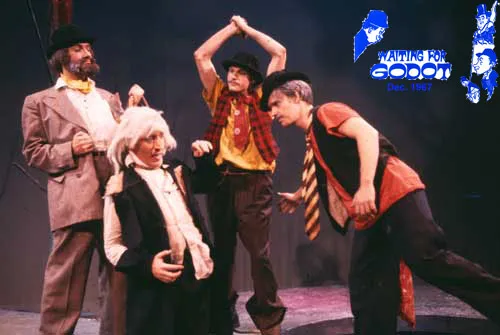
Photo: Otterbein University Theatre & Dance from USA, CC BY-SA 2.0, via Wikimedia Commons
The curtain goes up. The lights flood the stage. And somewhere in the wings — or maybe back at the hotel, phone in hand, waiting for a call that may never come — there's another dancer who knows this show just as well as the person taking the bow.
Understudies and backup dancers occupy one of the most psychologically complex spaces in all of performing arts. They are, in every technical sense, just as prepared as the principal. They've logged the same rehearsal hours, memorized the same choreography, felt the same music move through their bodies. And yet, for most of a season, the spotlight belongs to someone else.
This is their story.
"You Have to Love It More Than You Need the Credit"
Marcellus Tran has been a swing dancer on Broadway for six years. He currently covers four roles in a long-running musical — which means he can step into any of those parts with less than an hour's notice. On a good week, he performs twice. On a slow one, he watches from the back of the house and takes notes.
"People think it sounds depressing," he says, laughing a little. "And honestly? Some days it is. But most days I'm just... in love with the work. You have to be. If you're only in it for the applause, this life will break you."
That kind of emotional recalibration is something most understudies and backup dancers talk about eventually. The job demands a particular brand of discipline — not just physical, but mental. You have to stay sharp for a performance that might never happen, stay warm for an entrance that might never come, and stay genuinely happy for a colleague who is living the version of the dream you're also chasing.
The Training Never Stops — Even When the Curtain Doesn't Rise
For Destiny Okafor, a backup dancer currently on a major pop tour, the physical demands of the role are identical to the lead performers she supports. Same eight-counts. Same full-out run-throughs. Same technical notes from the choreographer.
"There's no such thing as a half-rehearsal when you're a backup," she says. "You're not there to approximate the show. You're there to be the show, the second you're needed."
What changes, she explains, is the emotional math. Performing the same choreography eight times a week in front of 20,000 people looks very different from drilling it in a rehearsal room with no audience and no guarantee of a stage. That gap — between preparation and performance — is where the psychological weight really settles.
Sports psychologists have a term for this kind of sustained readiness without reward: anticipatory vigilance. It's exhausting in ways that don't always show up in a body scan or a sore muscle. It lives in the nervous system, in the quiet anxiety of always being almost-on.
The Call That Changes Everything
Ask any understudy about the moment they finally got the call, and you'll see something shift in their face. It's not just excitement — it's a complicated cocktail of relief, terror, and something that feels almost like grief, because the moment you've trained for is also the moment the waiting ends.
Jasmine Ruiz got her first full performance as a lead in a regional production of a contemporary ballet after eighteen months as the alternate. The principal dancer twisted her ankle in warm-ups. Jasmine had forty-five minutes.
"I didn't even have time to be scared," she recalls. "I just went into this weird autopilot mode. My body knew everything. My brain was kind of just along for the ride."
The performance went beautifully. She got a standing ovation. And then the next night, she was back in the wings.
"That's the part people don't talk about," she says quietly. "The day after. You've finally done it, and it was everything you hoped it would be — and then it's over, and you're watching someone else do it again. That's a hard landing."
Supporting Someone Else's Dream Without Losing Your Own
There's an unspoken emotional labor baked into the backup role that extends well beyond the technical. Understudies are, by definition, in service to another dancer's success. They cover for injuries, for illness, for personal emergencies — and they do it without complaint, because the show must go on and that's the gig.
But sustaining genuine support for a colleague while quietly nursing your own ambitions? That's a skill set no conservatory teaches.
Marcellus talks about the importance of separating admiration from competition. "I genuinely love watching the people I cover," he says. "I learn from them every single night. But I also have to be honest with myself that I want what they have. Both things can be true. The trick is not letting the second thing poison the first."
Therapy comes up a lot in these conversations. So does journaling, meditation, and the kind of tight-knit community that tends to form among swings and understudies — people who understand the specific flavor of this particular limbo.
What the Industry Owes These Dancers
It would be incomplete to tell this story without acknowledging the structural inequities that make the understudy's life harder than it needs to be. Pay disparities between principal and backup roles are real and persistent. Credit — in programs, on promotional materials, in press coverage — often goes exclusively to leads. And the emotional support systems that might help dancers navigate the psychological toll of the role are rarely provided by the productions that benefit from their readiness.
There's a growing conversation in the dance and theater world about changing this. Some choreographers are pushing for more equitable billing. Some productions have begun offering mental health resources specifically designed for swing and understudy casts. It's slow going, but the conversation is happening.
"We keep the whole thing running," Destiny says plainly. "If we disappeared tomorrow, half these tours would collapse in a week. That should mean something."
The Love That Keeps Them Coming Back
At the end of a long rehearsal day, Jasmine laces up her street shoes and thinks about why she does this. It's not a simple answer, and she doesn't pretend it is.
"I dance because I can't not," she says finally. "The stage is the stage whether it's for one night or a hundred. And honestly? There's something kind of beautiful about being the person who's always ready. Like, I'm never not prepared. That's its own kind of power."
The understudy's life is not a consolation prize. It's a different kind of mastery — one that demands more patience, more resilience, and more genuine love for the craft than most people will ever be asked to give. These dancers don't just wait in the wings. They hold the whole production up from there.
And when the call finally comes? They are always, always ready.